
with adults…
I strive to create a
safe, curious, and non-judgmental space
I believe wholeheartedly that each of us have within us
the capacity to grow and heal.
with everyone I work with.
~ I believe that it is my job, and a privilege, to ~
offer new tools,
perspectives,
and approaches
to help you discover
and step into a more
integrated self
and a life of
deeper
connections
help you discover what
beliefs, patterns,
and experiences
have affected your life
help you recover
what tools
you already have
that have helped you
make it this far
On this page you will find descriptions of the
frameworks and approaches
I typically navigate from and use.
You can find tldrs (too long, didn’t read)
for the concepts below at the bottom of each description.

Frameworks
-
A relational framework works on the following beliefs:
The relationship between the therapist and the therapy participant is very very important, and will be discussed and used as a tool.
Dynamics that may exist in other relationships will likely show up in the therapy space. When that happens, it is explored.
Past, present, and future relationships with other people deeply influence the relationship you have with yourself, how you engage with the every day, and your relationship with the world around you.
tldr: I believe that the relationship between a therapist and a therapy participant is important and worth exploring early and often. I also believe that our relationships deeply influence our understanding of the world and our selves.
-
A trauma informed / sensitive works on the following beliefs:
“Trauma” is considered any distressing event or series of events that has negatively impacted the way we function.
Everyone has experienced trauma in some form.
To be sensitive to it or informed by it looks like placing priority on safety, choice, and empowerment. Instead of focusing on what is “wrong” with an individual, focusing on how distressing experiences and environments from the past are currently showing up and carving the path forward based on healing from the distressing event(s).
tldr: trauma informed / sensitive framework focuses on how distressing events might still be impacting the present and focusing more on an individual’s experience instead of symptoms.
-
A communal / systemic / decolonizing framework works on the following beliefs:
As folks who live in the United States, we operate in a culture based in and built on white supremacy.
We are inherently affected by the systems we exist within (economic, social, institutional, familial, ancestral, etc.) whether we are conscious of it or not.
The therapeutic space is no exception. There is an inherent power imbalance in therapeutic relationships. Accesibility to quality mental health care is not equitable. These dynamics and difficult truths must be made conscious, examined, and addressed in order to work towards a world in which communal wellbeing is as important as individual wellbeing.
tldr: our physical and emotional wellbeing is deeply affected by past and present systems of power.

-
Have you ever said “There’s a part of me that wishes…”?Or have you ever felt like you’re suddenly a child again in a moment when you’ve made a mistake? Or maybe there’s a thought or belief that you’ve continued to push away but no matter how much you push it away, it always comes back?
Parts work is the exploration of those experiences. By approaching them with curiosity, we open ourselves up to our inner world to find potential conflicts, resistance, stuckness, or unresolved emotions, often based in past experiences.
Because of my work as a play therapist, I especially emphasize working with and exploring the youngest, most childlike parts of a therapy participant in order to make space for the inner child who likely didn’t have a lot of space to just be a child when they were growing up.
Through these explorations, therapy participants slowly become more integrated with all parts of themselves. This allows more space for compassion, choice in reactions, and more internal harmony.
tldwr: inner child and parts work is an exploration of your inner world through a lens of past experiences in order to experience a more balanced and integrated experience as your true self.
-
Mindfulness is a very broad concept exploring the experience of the present moment in a non-judgmental, observational way.
My training in and practice of yoga greatly informs my perspective of mindfulness. In sessions, this might look like exploring different nervous system states through in-the-moment body awareness, practicing reframing judgments into observations, different types of meditation, and examining where certain judgments or biases come from. These are practices and processes we do together, in a safe environment, and on your terms.
Over time, through practices of mindfulness, we foster a less distressing way of relating to our thoughts and feelings and a calmer way of being.
tldr: mindfulness is the practice of being present. We can practice being present in different ways. In doing so, we are slowly guided into a more peaceful way of being.
-
EMDR stands for Eye Movement Desensitization Reprocessing.
EMDR is not a talk-based therapeutic approach. EMDR uses bilateral stimulation (tapping, side-to-side eyemovement, alternating sounds, etc.) to process distressing memories.
I use EMDR in combination with the above approaches to help folks grow from and release emotional wounds that take up space and create blocks to deeper connections with other people, themselves, and the world around them.
tldr: EMDR is an approach that relies on bilateral stimulation to reprocess distressing memories so that the therapy participant can move past them.
The link below is a great resource to explore and find out more about EMDR:
Approaches
books on the concepts above
~
books on the concepts above ~
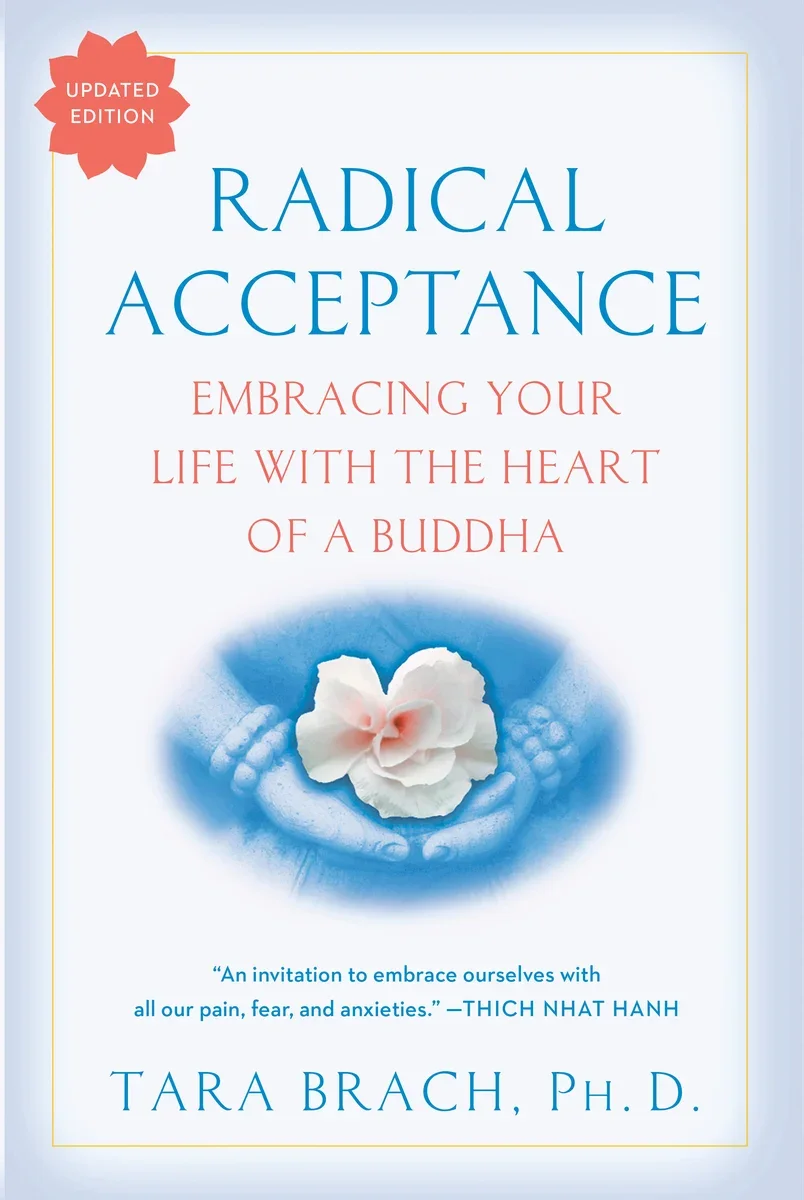
Radical Acceptance
Tara Brach, Ph.D.
cover unavailable
Decolonizing Therapy
Jennifer Mullan, Psy.D.
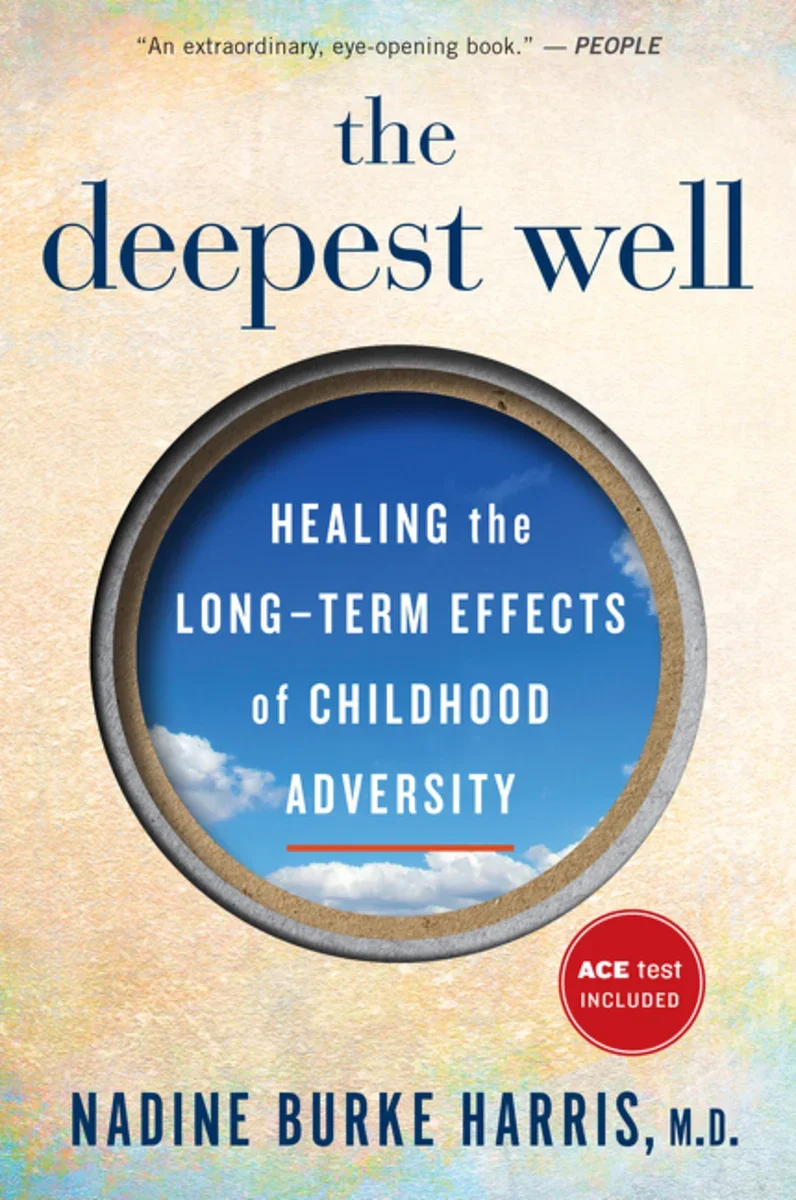
The Deepest Well
Nadine Burke Harris, M.D.
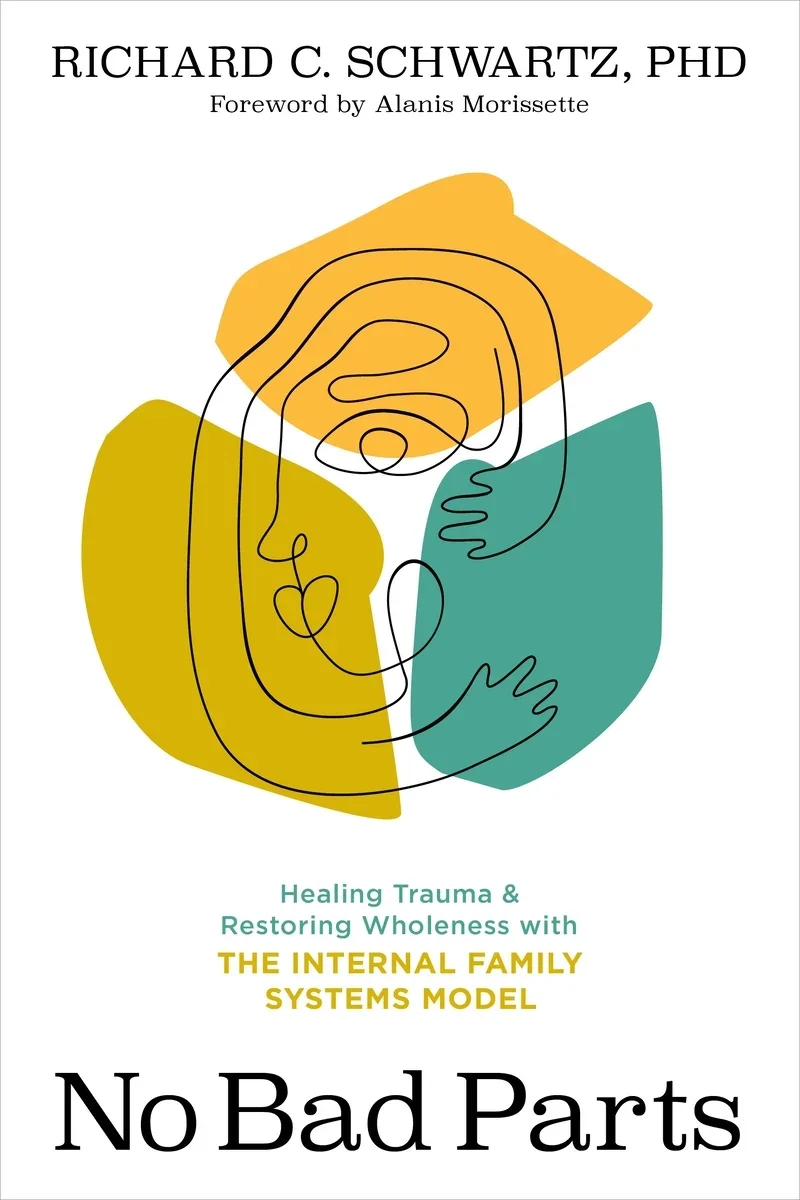
No Bad Parts
Richard Schwartz, Ph.D.